
LEAK DETECTION EXPERTS
Water Leak Detection

Your local water leak detection specialists
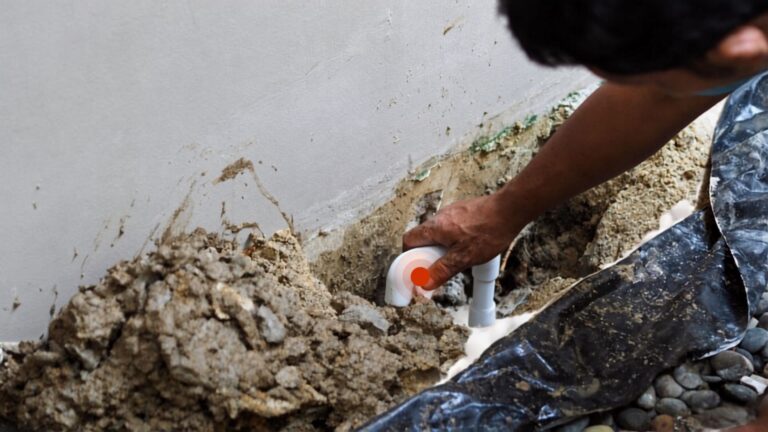
Water leak detection for leaks that are running somewhere you cannot see. Behind a wall, under a floor, inside a cavity or beneath a slab, the water is going somewhere and the meter is the proof. The point of detection is to find it before anything gets opened up looking for it.
Upfront Pricing
Quote provided upfront before any work is done.
Fully Insured
Local plumbing company fully insured for plumbing works.
Qualified Plumbers
Professional plumbers with decades of experience.
High tech equipment
We are fully equipped to find your leak.
How a concealed water leak is found
It starts at the meter. With every tap and appliance off, any movement on the meter confirms water is escaping between the meter and the fixtures. From there the property is isolated section by section, shutting off branches to narrow which part of the system is losing water. Once the section is known, acoustic ground microphones and correlators pick up the noise a pressurised leak makes travelling along the pipe wall, which carries through tile, concrete and soil. Where the noise is too faint to trace, tracer gas is introduced into the line and detected where it surfaces, and thermal imaging picks up the temperature difference a leak leaves in a floor or wall. The result is a marked point rather than a suspected area.
Signs of a concealed water Leak
Unexplained rising water bill
Sounds of dripping water
Damp or moldy patch
Low water pressure

Who this service is for
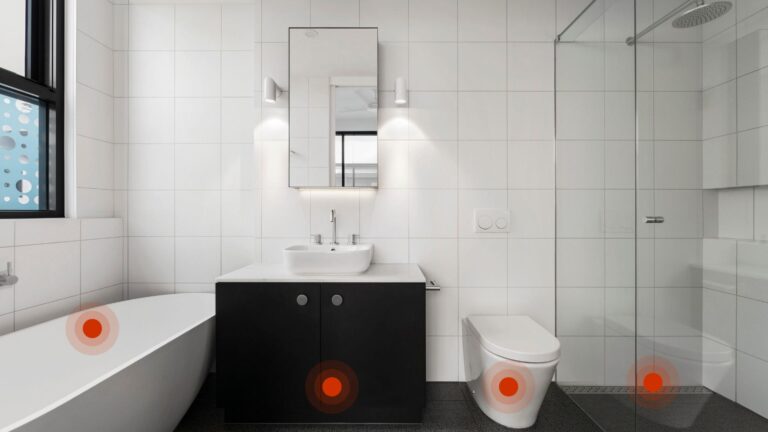
Homeowners and property managers who know water is going somewhere but have nothing visible to point at. It suits properties where the plumbing is buried in a slab, behind tiled walls or under finished flooring, which is where guesswork gets expensive fastest.
Commonly asked questions



Testimonials

”
Lorem ipsum dolor sit amet, consectetur adipiscing elit, sed do eiusmod tempor incididunt ut labore et dolore magna aliqua.
Jim Newman
CEO Marketing Story

Install the Application
Lorem ipsum dolor sit amet, consectetur adipiscing elit. Ut elit tellus, luctus nec ullamcorper mattis, pulvinar dapibus leo.
Fill in Your Personal Profile
Lorem ipsum dolor sit amet, consectetur adipiscing elit. Ut elit tellus, luctus nec ullamcorper mattis, pulvinar dapibus leo.
Search for Orders or Freelancer
Lorem ipsum dolor sit amet, consectetur adipiscing elit. Ut elit tellus, luctus nec ullamcorper mattis, pulvinar dapibus leo.
Install the Application
Lorem ipsum dolor sit amet, consectetur adipiscing elit. Ut elit tellus, luctus nec ullamcorper mattis, pulvinar dapibus leo.
Fill in Your Personal Profile
Lorem ipsum dolor sit amet, consectetur adipiscing elit. Ut elit tellus, luctus nec ullamcorper mattis, pulvinar dapibus leo.
Search for Orders or Freelancer
Lorem ipsum dolor sit amet, consectetur adipiscing elit. Ut elit tellus, luctus nec ullamcorper mattis, pulvinar dapibus leo.
Your Business Solution
Lorem ipsum dolor sit amet, consectetur adipiscing elit. Ut elit tellus, luctus nec ullamcorper mattis, pulvinar dapibus leo.

Connect to Freelancers
Lorem ipsum dolor sit amet, consectetur adipiscing elit. Ut elit tellus, luctus nec ullamcorper mattis, pulvinar dapibus leo.

Success Manager
Lorem ipsum dolor sit amet, consectetur adipiscing elit. Ut elit tellus, luctus nec ullamcorper mattis, pulvinar dapibus leo.

Manage Teamwork
Lorem ipsum dolor sit amet, consectetur adipiscing elit. Ut elit tellus, luctus nec ullamcorper mattis, pulvinar dapibus leo.
